Cars have always been part machine, part mystery. Even people who drive the same vehicle for a decade often have only a vague sense of what’s happening under the hood, behind the dashboard, or inside the engine block. But understanding the basics of automotive mechanics, and knowing which tools actually help you diagnose problems, can save you thousands of dollars over the life of a car, and just as importantly, save you from unnecessary anxiety every time a warning light flickers on.
The Engine: Still the Heart of the Machine
Whether it’s a gas engine, a diesel, or a hybrid powertrain, the core mechanical principle hasn’t changed much in over a century: controlled combustion (or electric torque, in EVs) turns into rotational force, which turns the wheels. What has changed dramatically is how that process is monitored. Modern engines are wrapped in sensors – oxygen sensors, knock sensors, mass airflow sensors, all feeding data back to an onboard computer that makes hundreds of micro-adjustments per second.
This is both a blessing and a curse for the average car owner. On one hand, engines are more efficient and self-correcting than ever. On the other, diagnosing a problem often means dealing with layers of electronics rather than just listening for a strange noise. A check engine light might point to something as simple as a loose gas cap or as serious as a failing catalytic converter, and the code reader alone won’t always tell you which.
Why Visual Inspection Still Matters
Despite all the diagnostic software available today, there’s no substitute for actually seeing what’s going on inside a component. Mechanics have long relied on their eyes and hands to catch problems that sensors miss entirely – a hairline crack in a hose, corrosion building up in a fuel line, sludge coating the inside of a valve cover. The problem is that most of these areas are difficult or impossible to reach without significant disassembly.
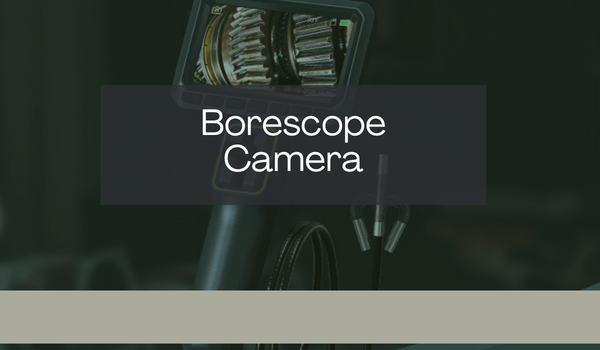
This is where inspection cameras have quietly become one of the most useful tools in a home mechanic’s kit. A small, flexible camera on a cable, often called a borescope, lets you snake a lens into tight spaces: down a spark plug hole to check for carbon buildup, into an intake manifold, or behind a dashboard to trace a wiring harness. Instead of pulling an engine apart on a hunch, you can get a clear picture first and decide whether the job is even necessary.
If you’re shopping for one, it helps to know what separates a genuinely useful unit from a toy. Camera resolution, cable flexibility, waterproofing, and screen quality all matter more than they might seem to at first glance, and prices vary enormously for tools that look nearly identical online. It’s worth taking the time to find the best borescope camera for your specific use case rather than grabbing the cheapest option, since a blurry image or a stiff, unreliable cable can turn a ten-minute inspection into an hour of frustration.
Beyond the Engine Bay: Where Else These Tools Help
Cars aren’t just engines – they’re a tangle of tubing, wiring, and enclosed spaces that a flashlight alone can’t reach. Brake lines run along the underside of the frame. Exhaust systems snake beneath the cabin. HVAC ducting winds behind the dashboard. All of these are places where a borescope earns its keep, letting a mechanic (professional or amateur) spot rust, leaks, or blockages without removing half the vehicle to get a look.
Interestingly, the same basic tool that helps with car repairs is also widely used around the house, particularly for one very specific and very common headache: plumbing. Clogged drains, slow-draining tubs, and mysterious odors from pipes are often impossible to diagnose from the outside. Homeowners have increasingly turned to the same borescope-style cameras mechanics use, just adapted with longer, more flexible cables suited for pipework. Looking with a pipe inspection camera can help you see exactly what’s going on inside the line – allowing you to distinguish a simple hair clog from a cracked pipe or root intrusion, and avoid spending money on a plumber’s inspection you could have handled yourself.
This crossover between automotive and household maintenance tools makes sense once you think about it. Both fields deal with the same core problem: something is broken or blocked in a space no human hand or eye can naturally reach. The solution – a camera on a long, maneuverable cable feeding a live image to a screen – works whether the “pipe” in question is an exhaust manifold or a bathroom drain.
Basic Maintenance Habits That Actually Matter
Tools aside, most car trouble still comes down to a handful of predictable culprits: neglected oil changes, worn brake pads, underinflated tires, and old batteries. Sticking to a maintenance schedule is unglamorous advice, but it remains the single most effective thing any driver can do. Oil lubricates and cools engine components, letting it degrade accelerates wear on nearly everything it touches. Tires lose pressure gradually and unevenly, which affects fuel economy, handling, and how evenly the tread wears down. Brake pads wear faster under city driving and heavy braking, and ignoring the telltale squeal usually turns a cheap pad replacement into an expensive rotor replacement.
None of this requires deep mechanical expertise. It requires attention. A five-minute walk-around before a long trip – checking tire tread, glancing under the car for fresh drips, listening for anything unusual on startup – catches a surprising number of problems while they’re still cheap to fix.
Knowing When to DIY and When to Call a Mechanic
There’s a reasonable middle ground between “know nothing about cars” and “do all your own repairs.” Many owners find real value in being able to diagnose a problem even if they don’t fix it themselves. Being able to tell a mechanic “I inspected the intake and there’s visible carbon buildup” or “the pipe camera showed a crack about six feet in” changes the conversation. It means fewer unnecessary diagnostic fees, less risk of being oversold on repairs you don’t need, and a much better sense of whether a quoted price is reasonable.
Cars, like homes, reward the kind of ongoing attention that catches small problems before they become expensive ones. The tools for that kind of attention have gotten better and more affordable, and a decent inspection camera is one of the few gadgets that pays for itself the very first time it saves you an unnecessary repair.